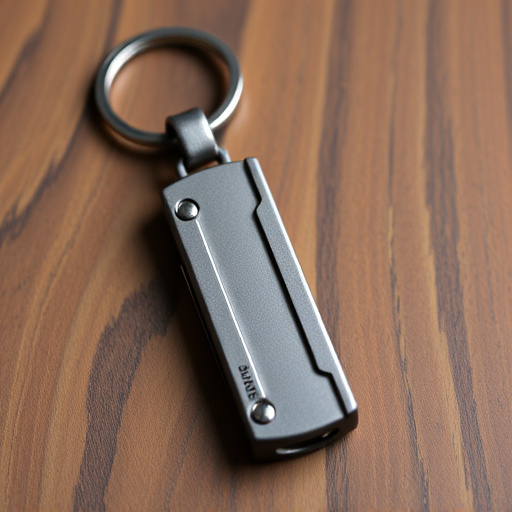
In a world prioritizing personal safety, self-defense keychains have emerged as compact, innovative tools. Choosing the strongest material, like titanium or high-quality steel, ensures durability and effectiveness against unexpected threats. These materials offer superior strength-to-weight ratios, corrosion resistance, and impact resilience, making them ideal for everyday carry. However, their increasing popularity raises debates about regulation, ethics, and safety standards, emphasizing the need for comprehensive guidelines and user education to mitigate risks and ensure responsible use.
In today’s diverse global community, personal safety is a universal concern. Portable keychain weapons are gaining traction as compact self-defense solutions, offering individuals increased security and peace of mind. This article explores the multifaceted world of keychain weaponry, from identifying the pressing need for such devices to examining the strongest materials and design considerations that ensure effectiveness and safety. We also delve into regulatory and ethical aspects, highlighting the delicate balance between convenience and user protection in the realm of personal defense tools.
- Understanding the Need for Portable Keychain Weapons: A Global Perspective on Self-Defense
- Strength and Durability: Exploring the Strongest Materials for Keychain Self-Defense
- Design Considerations for Safe and Effective Keychain Weapons
- Regulatory and Ethical Dimensions: Balancing Convenience with Safety in Personal Defense Tools
Understanding the Need for Portable Keychain Weapons: A Global Perspective on Self-Defense
In today’s diverse and often unpredictable world, the need for personal safety has become a global concern. The concept of self-defense has evolved beyond traditional physical training, embracing innovative tools that offer immediate and effective protection. Portable keychain weapons have emerged as one such game-changer, providing individuals with a sense of security on the go. These compact yet powerful devices are designed to ensure users can defend themselves in various situations, especially when faced with unexpected threats.
When considering the strongest self-defense keychain material, durability and effectiveness should be at the forefront. High-quality materials like advanced alloys or durable plastics offer exceptional resilience against impacts and constant wear. A robust keychain weapon should serve as a reliable tool, capable of causing discomfort or incapacitating an attacker long enough for escape or assistance to arrive. With global incidents highlighting the importance of personal safety, these compact self-defense devices are becoming increasingly popular among individuals seeking peace of mind and the means to protect themselves anywhere, anytime.
Strength and Durability: Exploring the Strongest Materials for Keychain Self-Defense
When considering a keychain weapon for self-defense, strength and durability are paramount. The strongest materials play a crucial role in ensuring its effectiveness and longevity as a reliable defense tool. Among the top choices for everyday carry weapons, titanium stands out as an exceptional option due to its superior strength-to-weight ratio. This durable metal is resistant to corrosion, making it ideal for outdoor adventures or harsh environments.
Compared to traditional metals like steel, titanium offers enhanced durability without adding significant weight. Its strength and resilience against impacts and scratches make it the preferred choice for those seeking a robust self-defense keychain. Moreover, specific alloys of titanium can be crafted into sleek yet sturdy designs, ensuring the weapon remains compact and easily portable while maintaining its structural integrity.
Design Considerations for Safe and Effective Keychain Weapons
When designing a keychain weapon, safety should be the top priority. The choice of material is crucial in determining both the effectiveness and safety of the self-defense tool. Among various options, the strongest material for such a purpose is often considered to be high-quality steel. Steel offers exceptional durability, ensuring the weapon can withstand frequent use and potentially harsh environments. It also provides excellent penetration power, making it an effective deterrent when needed.
Additionally, designers should focus on incorporating features that mitigate risks. This includes implementing a simple yet reliable locking mechanism to prevent accidental deployment and a compact, ergonomic design that facilitates easy carrying without causing discomfort or drawing unnecessary attention. Regular stress testing and user feedback are essential to refining the product, ensuring it meets the highest safety standards while remaining a practical self-defense solution for those seeking convenience and peace of mind.
Regulatory and Ethical Dimensions: Balancing Convenience with Safety in Personal Defense Tools
In recent years, the concept of portable keychain weapons has gained traction as a convenient personal defense tool. However, this trend raises important regulatory and ethical considerations. Balancing the desire for self-protection with safety standards is paramount. The choice of material plays a crucial role; users often seek the strongest self-defense keychain material to ensure effectiveness in potentially life-or-death situations.
Regulatory bodies worldwide are now grappling with how to classify and regulate these devices, considering their potential misuse and the varying levels of skill required for safe operation. Ethical debates center around the accessibility and normalization of such weapons, particularly among individuals without proper training or in situations where they might not be able to use them responsibly. The discussion extends to public safety and the potential impact on crime rates, emphasizing the need for comprehensive guidelines and user education.
In conclusion, portable keychain weapons offer a unique blend of convenience and personal safety, especially in diverse global settings. While understanding the need for such devices is crucial, prioritizing safety through robust design, material strength like high-grade stainless steel (the strongest self-defense keychain material), and ethical considerations is paramount. Navigating regulatory landscapes ensures these tools enhance security without causing harm. With thoughtful consideration, keychain weapons can be a game-changer in everyday self-defense, providing peace of mind in a compact form factor.